Modular Software vs All-in-One ERP (2026 Guide)
An objective framework to decide between heavyweight monolithic enterprise suites and lightweight connected modular architectures.
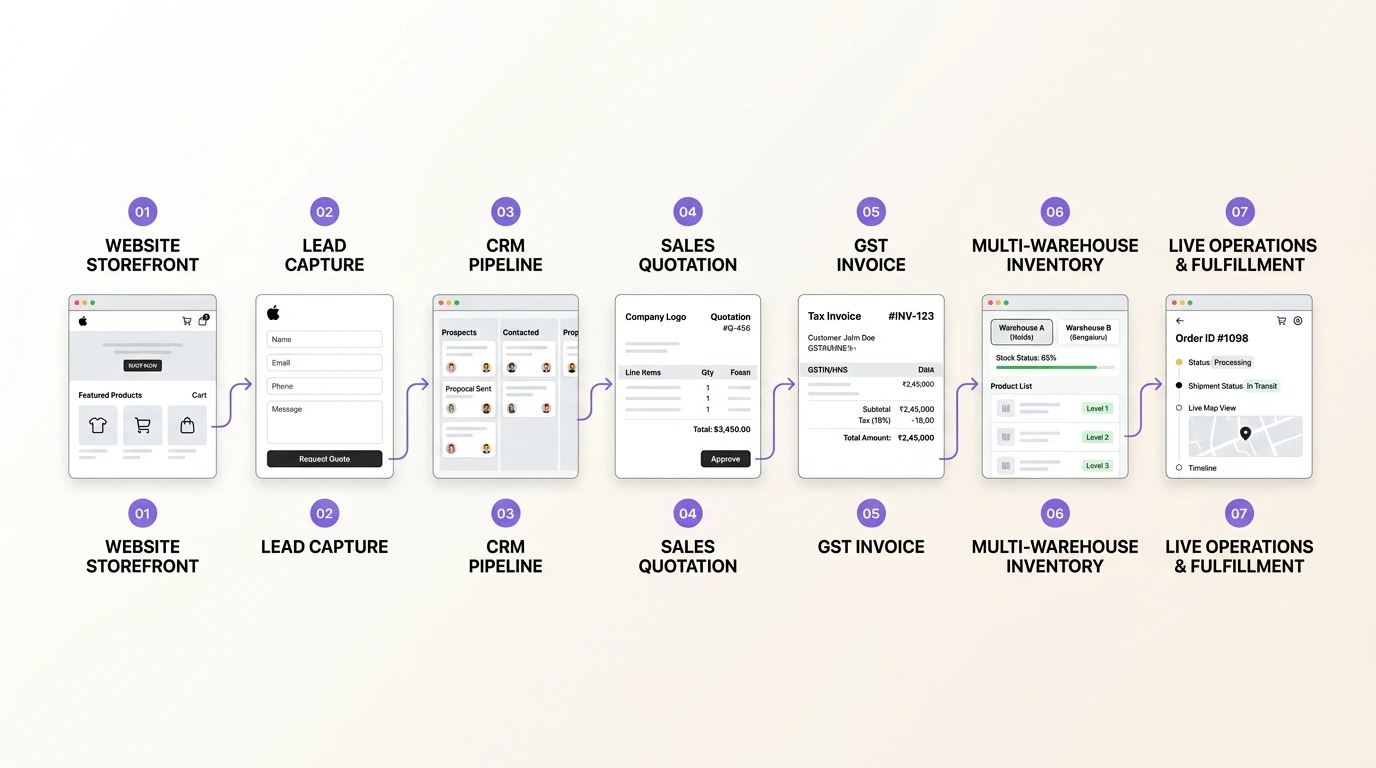
An objective framework to decide between heavyweight monolithic enterprise suites and lightweight connected modular architectures. In modern competitive markets, disconnected operations create invisible friction, delayed reporting, and customer churn. This blueprint outlines how growing organizations deploy agile, connected workflows that scale with zero administrative overhead.
- Architectural Resilience: Modular systems isolate failures; one misconfigured module cannot crash your entire enterprise.
- Continuous Upgrades: Seamless version updates that do not break custom business workflows or invalidate database schemas.
- Team Velocity: Independent operational teams configure their specific app workspaces without cross-department bottlenecks.
- Strategic Decision Matrix: Complete evaluation criteria based on team size, compliance scope, and transaction volume.
1. Deconstructing the 2026 Enterprise Software Landscape
Modern operations require speed and adaptability. The monolithic approach of buying an inflexible 50-module ERP suite upfront and spending a year configuring it no longer makes economic sense in fast-moving markets where supply chains and sales channels evolve quarterly.
2. The Resilience of Modular Decoupling
When software is modular, each component performs its role efficiently while synchronizing with the central ledger. If your retail POS system encounters network instability, your warehouse logistics and accounting engines continue running smoothly without disruption.
3. Making the Right Strategic Choice
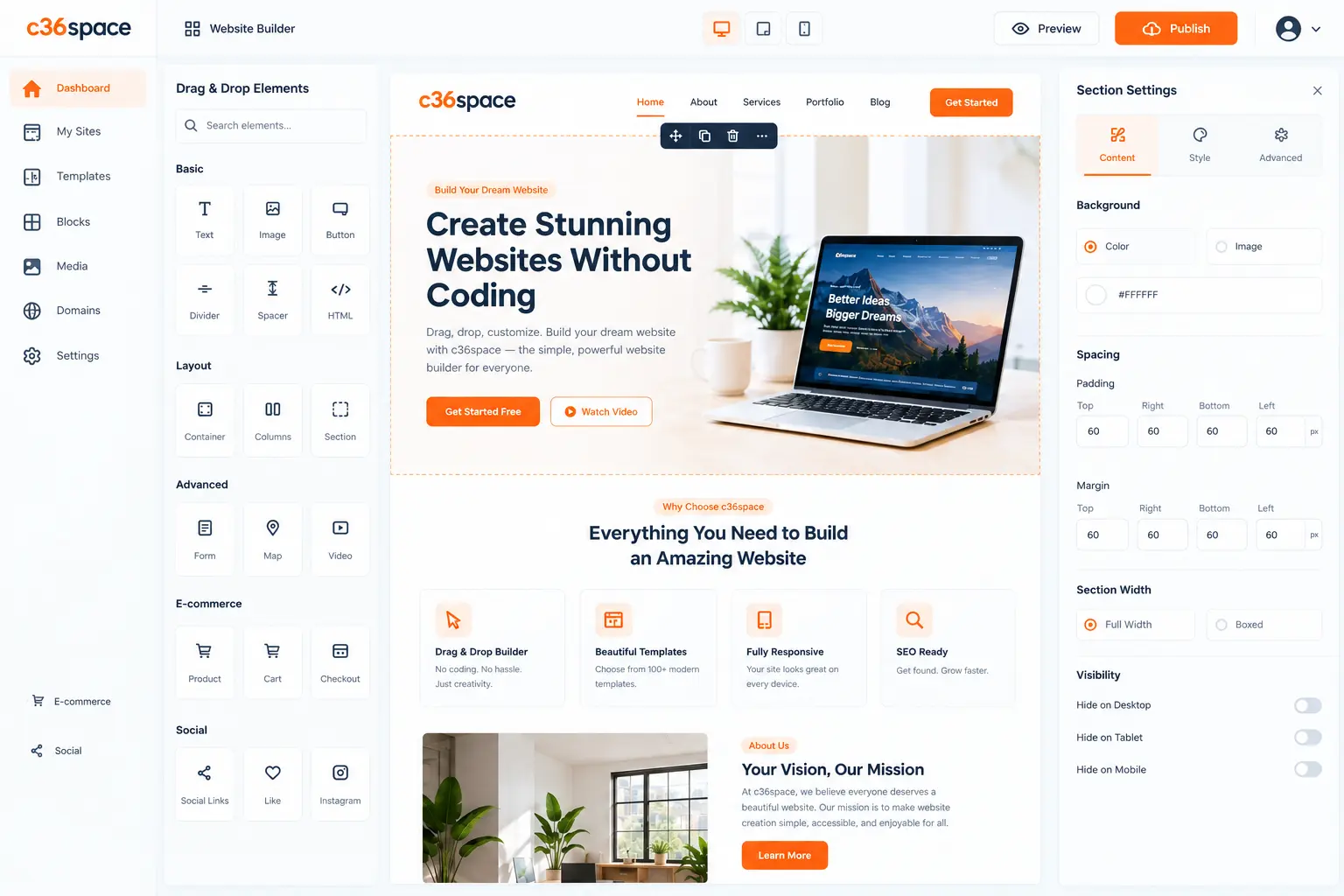
Unless you are a Fortune 500 conglomerate with thousands of global manufacturing plants and dedicated teams of ERP administrators, a connected modular workspace like C36Space offers superior agility, dramatically faster ROI, and better long-term scalability.
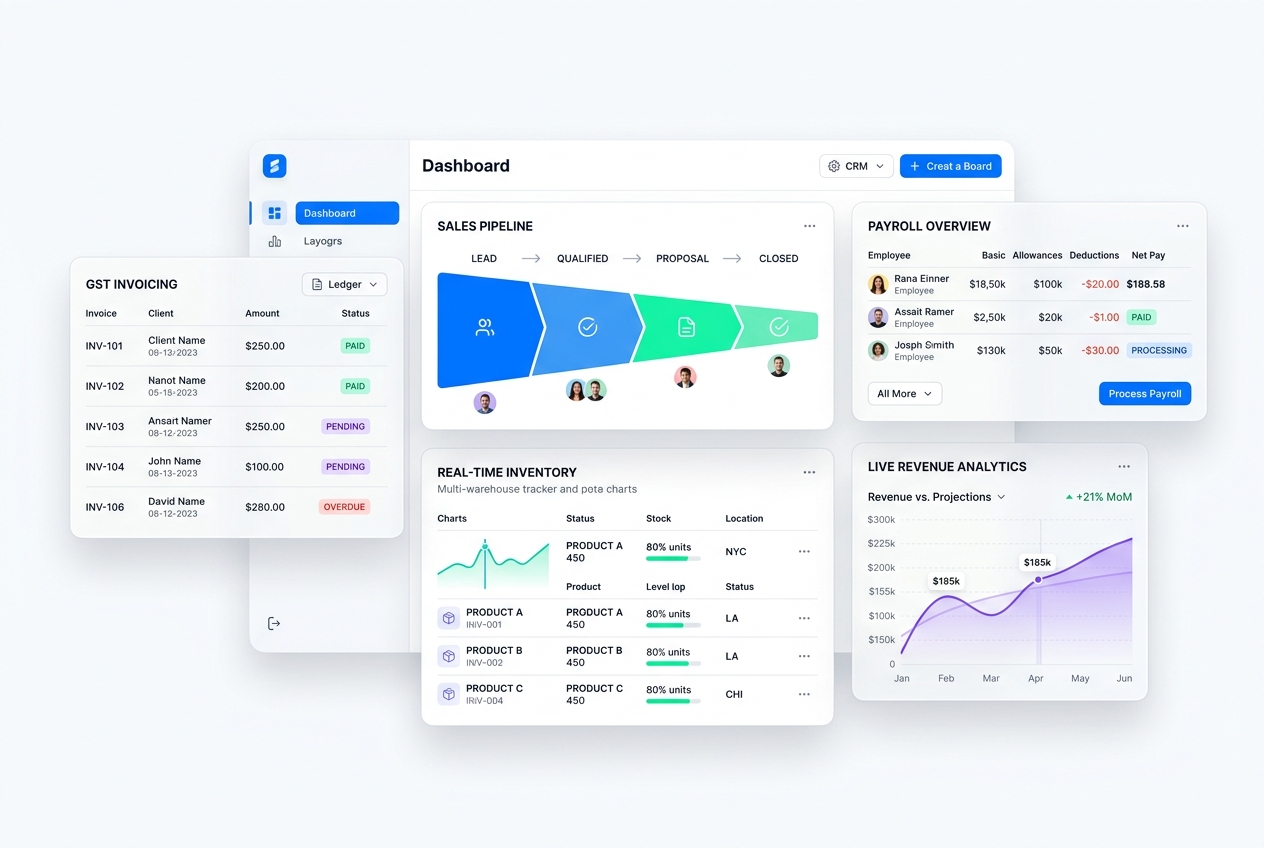
Next Steps & Implementation Roadmap
Transitioning to a unified workspace does not require months of downtime. By leveraging modular cloud provisioning, organizations deploy core strategy workflows in parallel with existing processes, verifying data accuracy before switching live operations. Explore the related architecture guides below or activate your free 14-day trial to experience unified operations firsthand.
Ready to optimize your business operations?
Activate your 14-day free trial of C36Space. Unify CRM, invoicing, payroll, and inventory in one connected workspace.