Skip to Content
← Back to Resources Strategy

Modular vs Monolithic Business Software: A Founder's Guide

Published June 2026 | 12 min read | By C36Space Editorial Team
Modular vs Monolithic

When scaling your business, you will face a critical architecture decision. Let\'s evaluate modular vs monolithic business software to find the path that preserves your team\'s operational speed.

Key Takeaways

  • Database Adaptability: Modular architecture uses flexible database schemas that let you add fields instantly.
  • Predictable Pricing: Scale your software subscriptions in line with your active user count and apps.
  • Rapid Onboarding: Get operational in weeks rather than committing to long development projects.
  • Decoupled Safety: Prevent software bugs in one module from crashing other departments.

What is the core difference in modular vs monolithic business software?

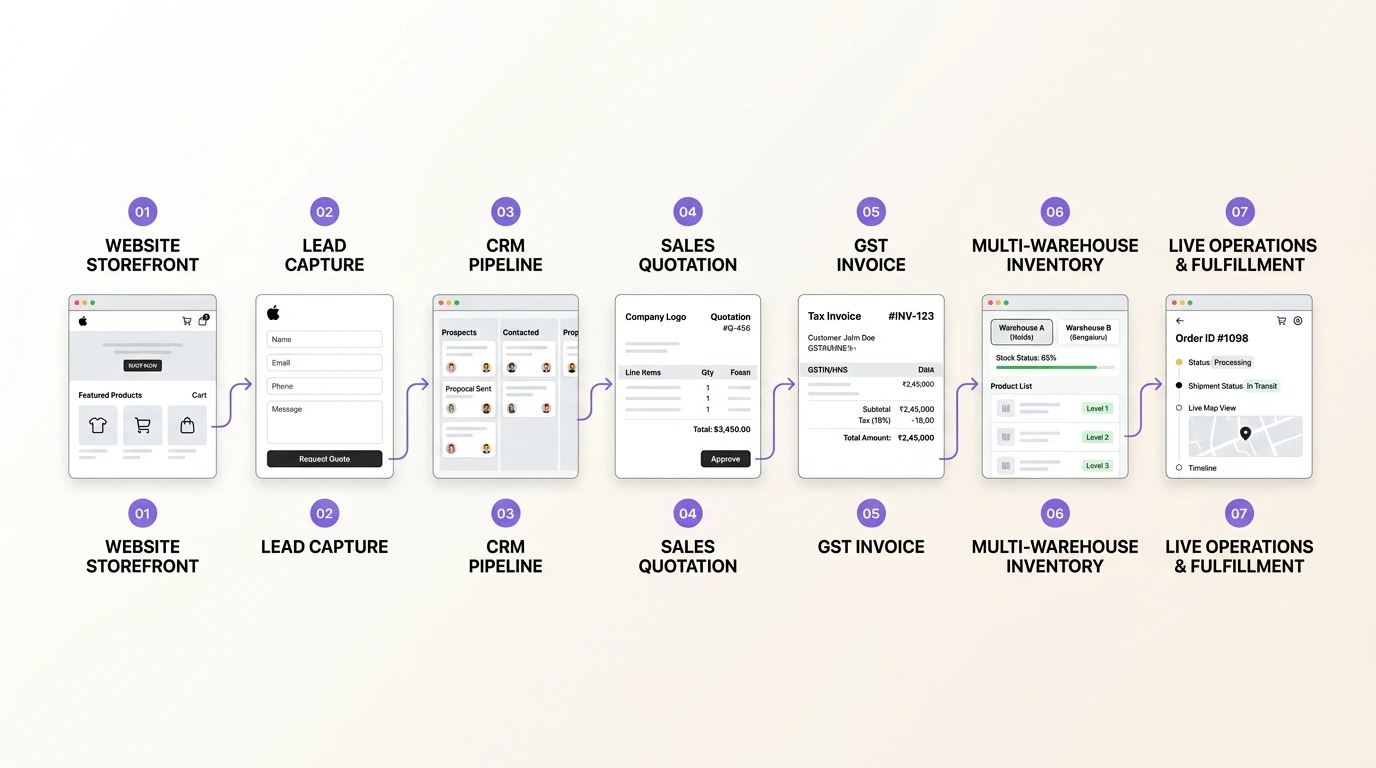
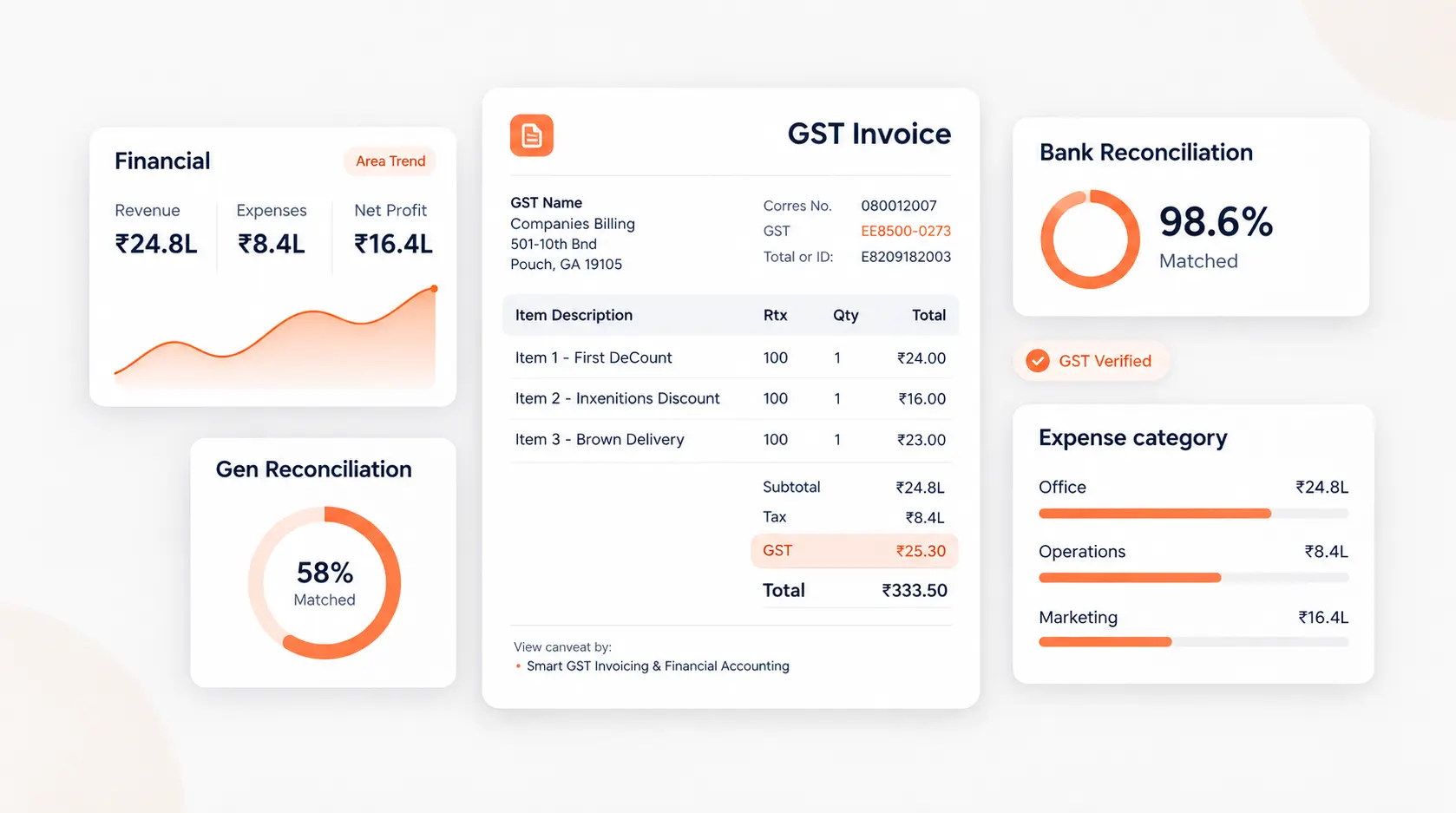
The core difference lies in database structures. Monolithic business software links all departmental features—CRM, billing, warehousing, and shipping—into a single database schema. This design makes customizations extremely difficult, as adding a new custom field or tax rate risks breaking invoice generation. Modular software, by comparison, decouples application layers while maintaining synchronization through a unified database core.

For a founder, this architectural difference impacts scaling speed. Monolithic systems require months of upfront configuration before you can log your first client order. A modular workspace lets you deploy critical modules in hours, allowing your business to remain agile while avoiding setup charges.

Flexible database tables replacing rigid schemas

Flexible database tables scale without requiring custom SQL migration scripts. Founders add fields, adjust checklists, and update stage names, keeping business tools aligned with changes.

Why do monolithic systems restrict startup growth?

Monolithic systems are built for enterprise stability, which means they enforce rigid, slow validation flows. A growing business needs to adapt its sales steps and customer checklists rapidly. If your software requires weeks of developer time to customize basic input menus, your tools are restricting your growth.

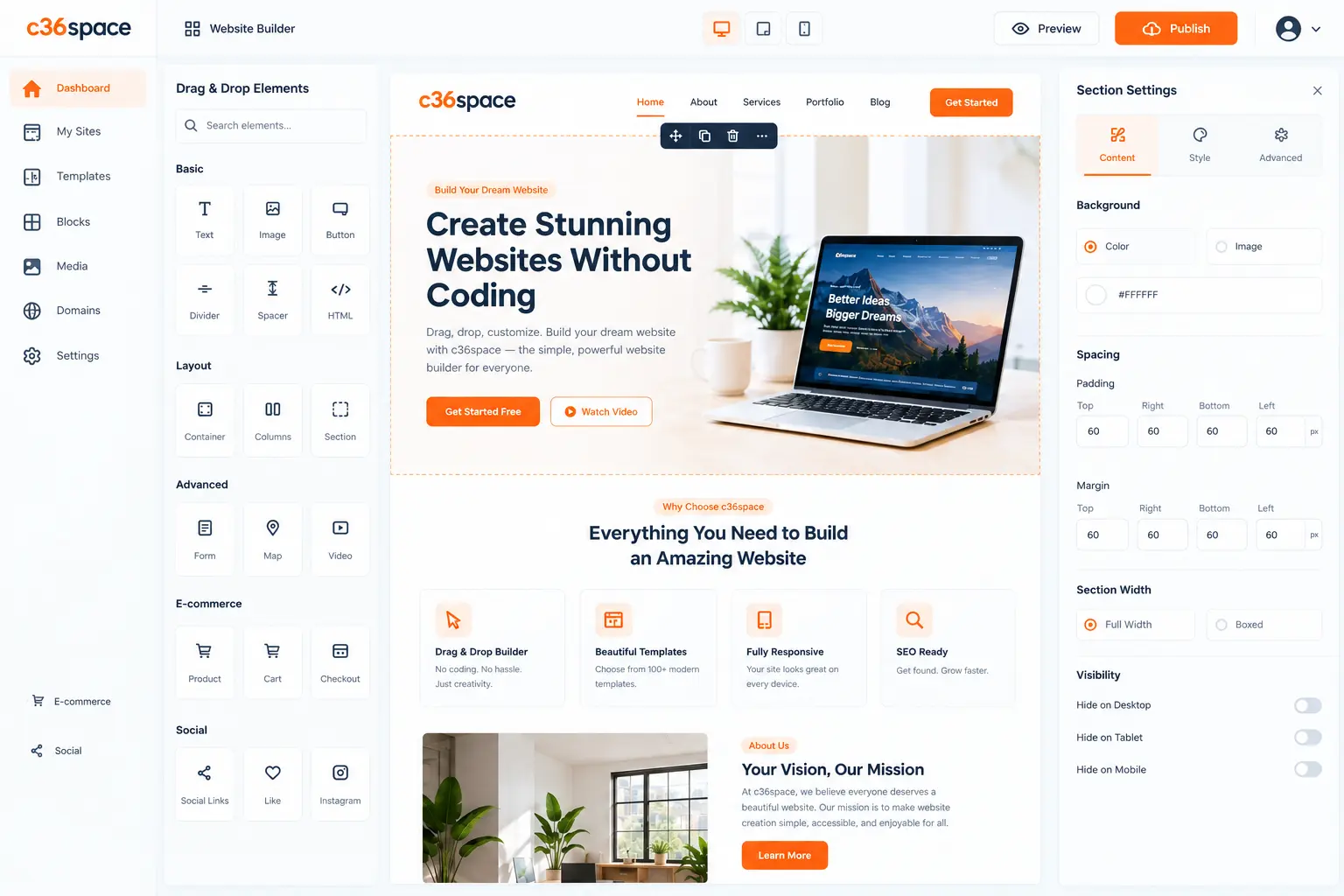
This rigidity leads to internal friction. Employees will stop using the system and revert to using spreadsheets or personal chat apps to log data, creating data silos. A modular workspace keeps dashboards clean and simple, allowing you to customize workflows in minutes without writing code.

How does modular design protect database health?

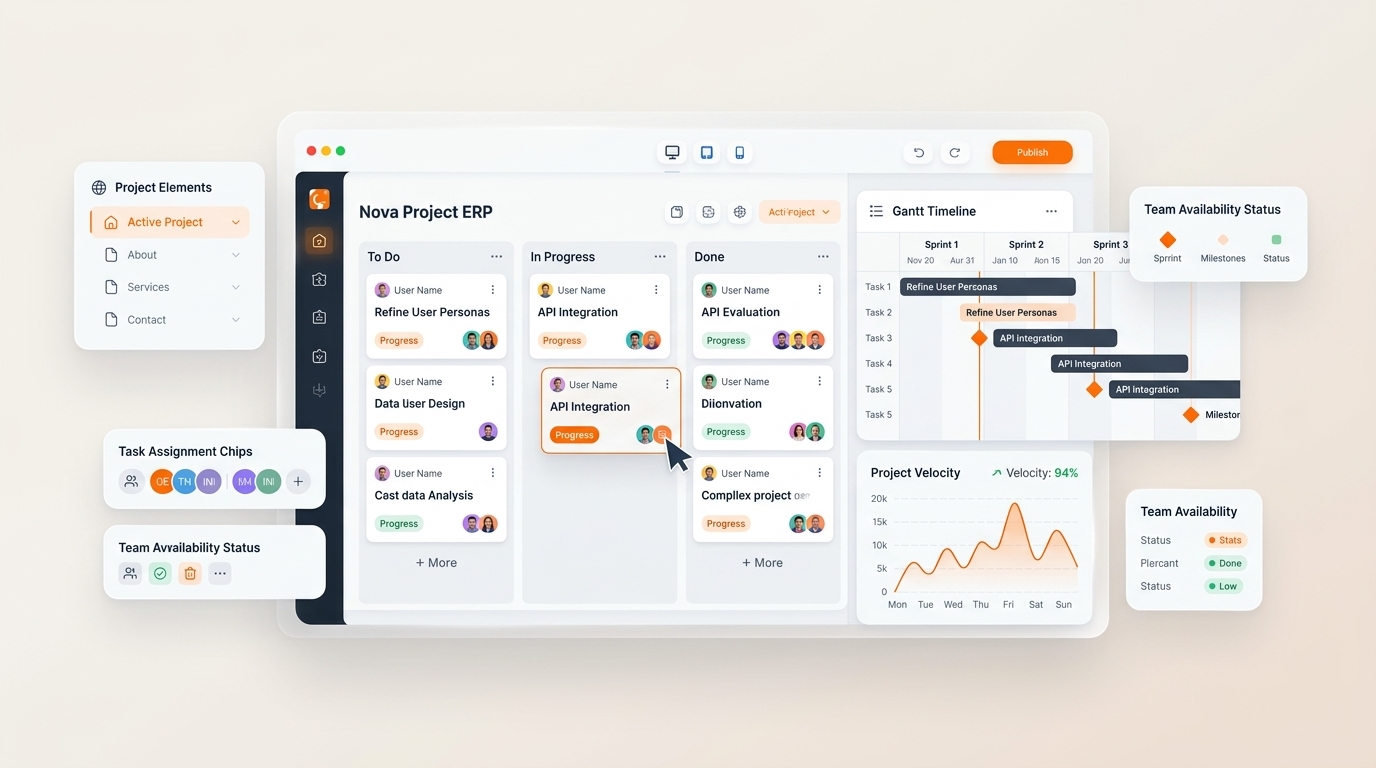
Decoupled modules prevent cascading failures. In monolithic architectures, a bug in the warehouse module can crash the financial ledger, locking your accountant out of processing bills. By running independent applications like Project Management and Website & eCommerce on a shared core, you isolate department processes, protecting your database health and system uptime.

Evaluating Architectures

Feature Monolithic Architecture Modular Workspace Architecture
Database Customization Rigid schemas that require certified developer hours to adjust. Flexible schemas that adapt instantly to drag-and-drop edits.
Upgrade Path Complex. Customizations often break during system upgrades. Simple. Apps update in the background with zero downtime.
Onboarding Speed 12 to 24 weeks of database mapping and testing. 14 days of data importing and dashboard training.

How a Mumbai startup cut onboarding time from 180 to 14 days

An educational technology startup in Mumbai was using a monolithic suite. They spent six months trying to configure the complex student records database and invoicing module, running up heavy consulting bills while their sales reps remained stuck using spreadsheets. The system was so complex that the team could not launch their courses on schedule.

They swapped the monolith for C36Space. They activated the project tracking and web builder modules, importing their database via standard Excel templates. Because the system is pre-configured, they completed the data migration in 14 days, allowing them to open course registrations and process student payments on schedule while avoiding further IT setup costs.

Frequently Asked Questions

What is monolithic business software?

It refers to a software architecture where all application modules are tightly coupled into a single codebase and database structure, making customizations difficult and costly.

What makes modular business software more flexible?

It uses independent applications that communicate through a shared data core, allowing you to customize individual workflows without risking system-wide crashes.

How does C36Space handle modular upgrades?

SaaS updates happen automatically in the background. Because modules are decoupled, upgrades do not disrupt other department workflows or break your existing customizations.
💡 Pro Tip for Founders

When choosing business tools, prioritize database flexibility. An agile database structure that scales with drag-and-drop modifications saves weeks of developer costs and protects operational speed.

Ready to optimize your operations?

Start your free 14-day trial of C36Space and experience seamless ERP automations.

Start Free Trial