Turn Your Website Into a Real-Time Storefront
Convert static website traffic into online sales by connecting your shop catalog to live warehouse inventory and automated payment processing.
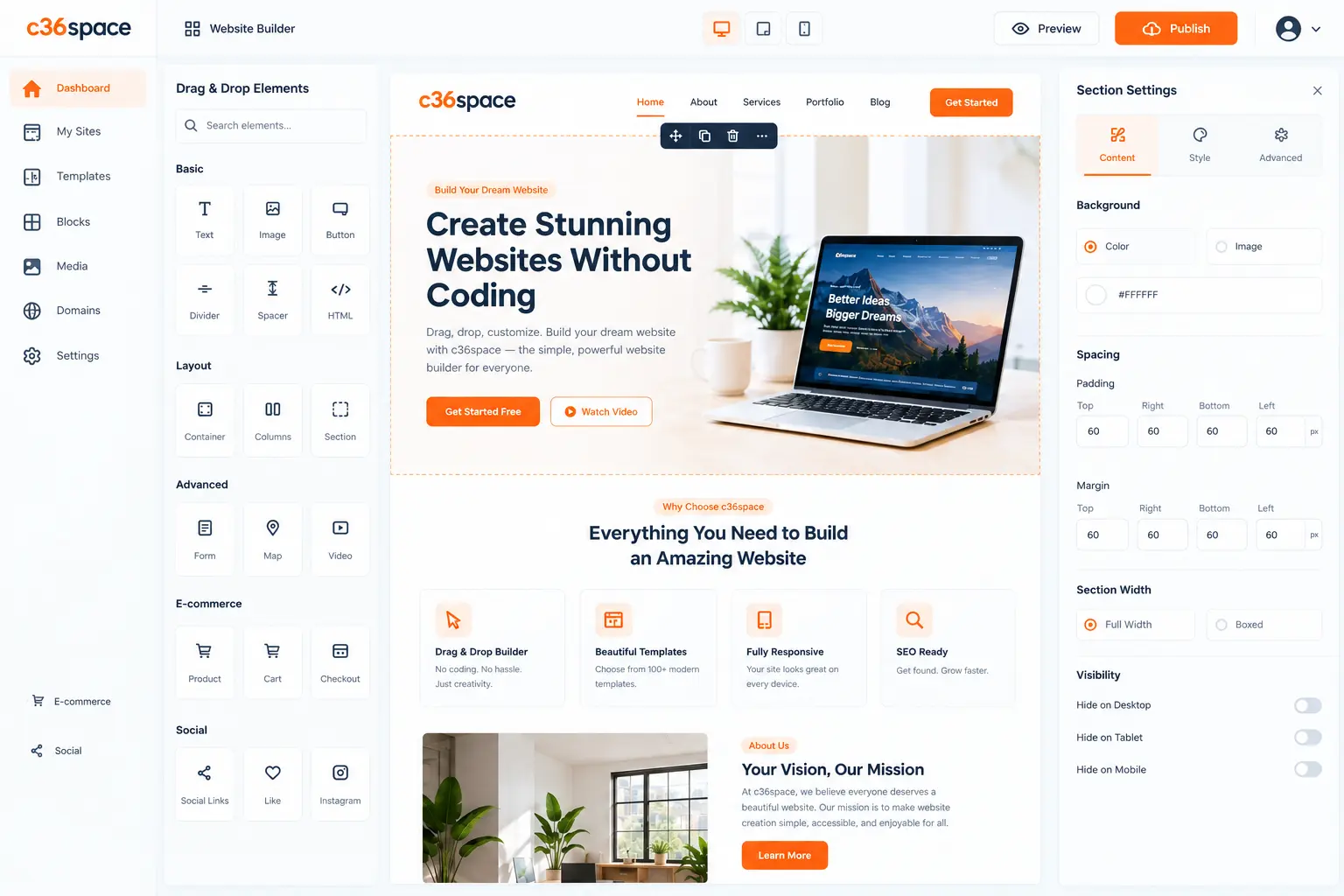
Convert static website traffic into online sales by connecting your shop catalog to live warehouse inventory and automated payment processing. In modern competitive markets, disconnected operations create invisible friction, delayed reporting, and customer churn. This blueprint outlines how growing organizations deploy agile, connected workflows that scale with zero administrative overhead.
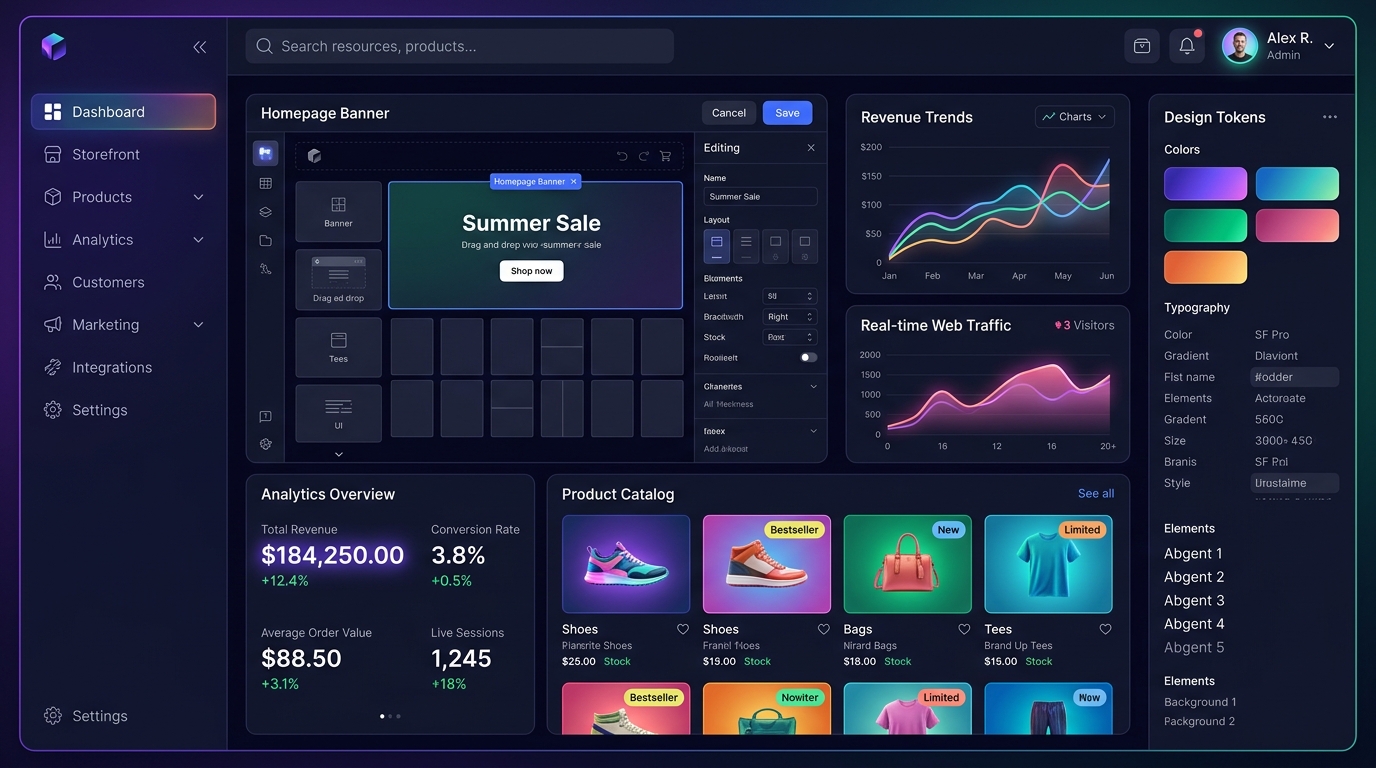
- Instant E-Commerce Activation: Turn catalog product pages into functional e-commerce storefronts with integrated shopping carts.
- Multi-Gateway Payment Integration: Support UPI, credit cards, net banking, and international payments with automated receipt issuance.
- Automated Fulfillment Routing: Customer orders create confirmed delivery orders in the warehouse immediately upon payment success.
- Customer Account Portals: Buyers track order status, download tax invoices, and request reorders through self-service portals.
1. Moving Beyond Static Digital Brochures
A website that only displays product photos and asks visitors to 'call for pricing' creates unnecessary friction. Modern buyers expect transparent pricing, real-time stock availability, and instant digital checkout capabilities.
2. End-to-End E-Commerce Flow
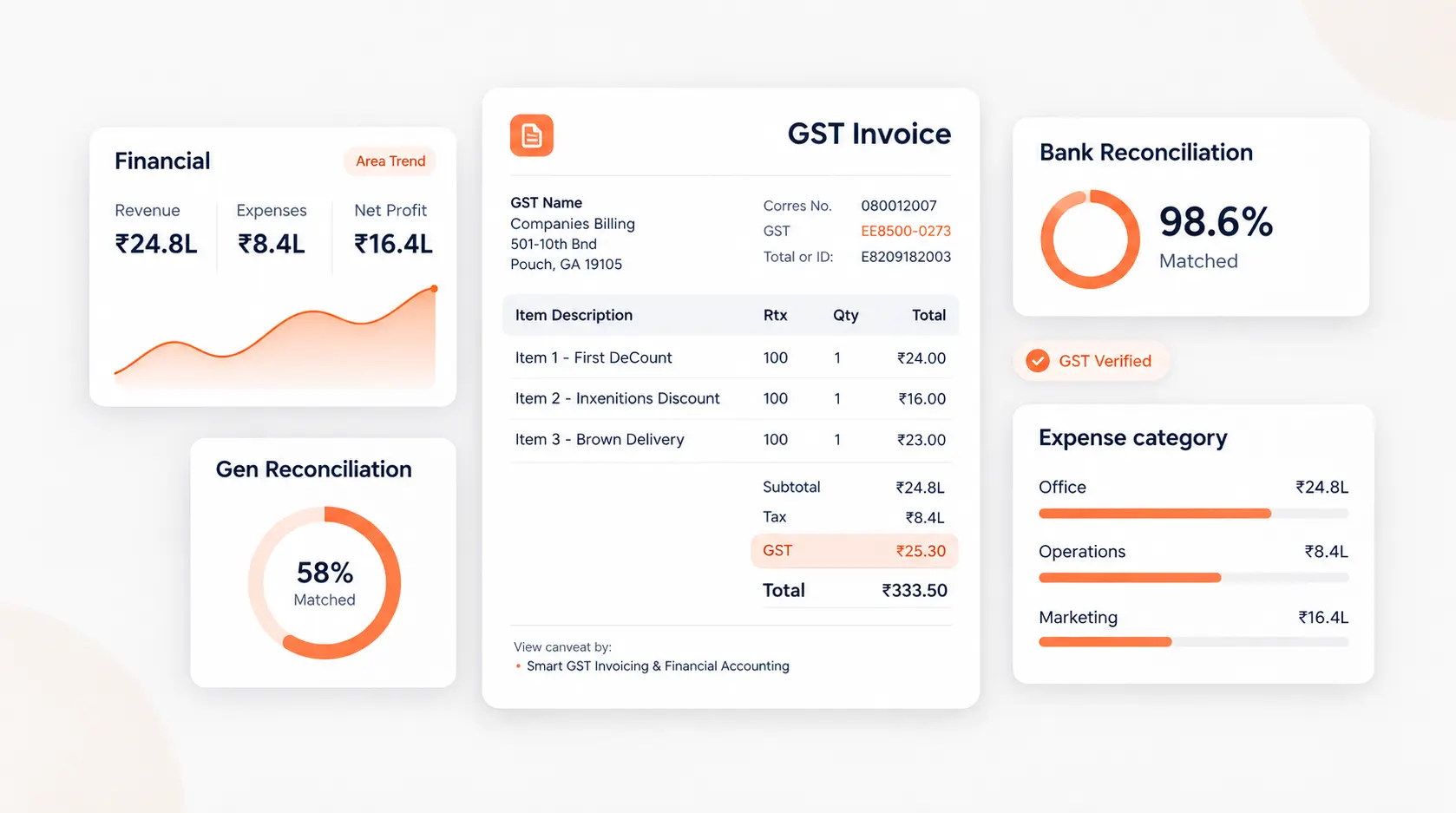
With C36Space, your e-commerce storefront connects directly to inventory, billing, and logistics. When a customer completes checkout, the system charges their card, drafts a GST tax invoice, deducts warehouse inventory, and notifies the shipping team automatically.
3. Self-Service Customer Portals
Provide B2B and retail customers with secure login accounts where they can review past order receipts, download official tax invoices, and track live delivery tracking numbers without calling your customer service team.
Next Steps & Implementation Roadmap
Transitioning to a unified workspace does not require months of downtime. By leveraging modular cloud provisioning, organizations deploy core website workflows in parallel with existing processes, verifying data accuracy before switching live operations. Explore the related architecture guides below or activate your free 14-day trial to experience unified operations firsthand.
Ready to optimize your business operations?
Activate your 14-day free trial of C36Space. Unify CRM, invoicing, payroll, and inventory in one connected workspace.